Era guide · 1945–present
Photochrome (Chrome) era
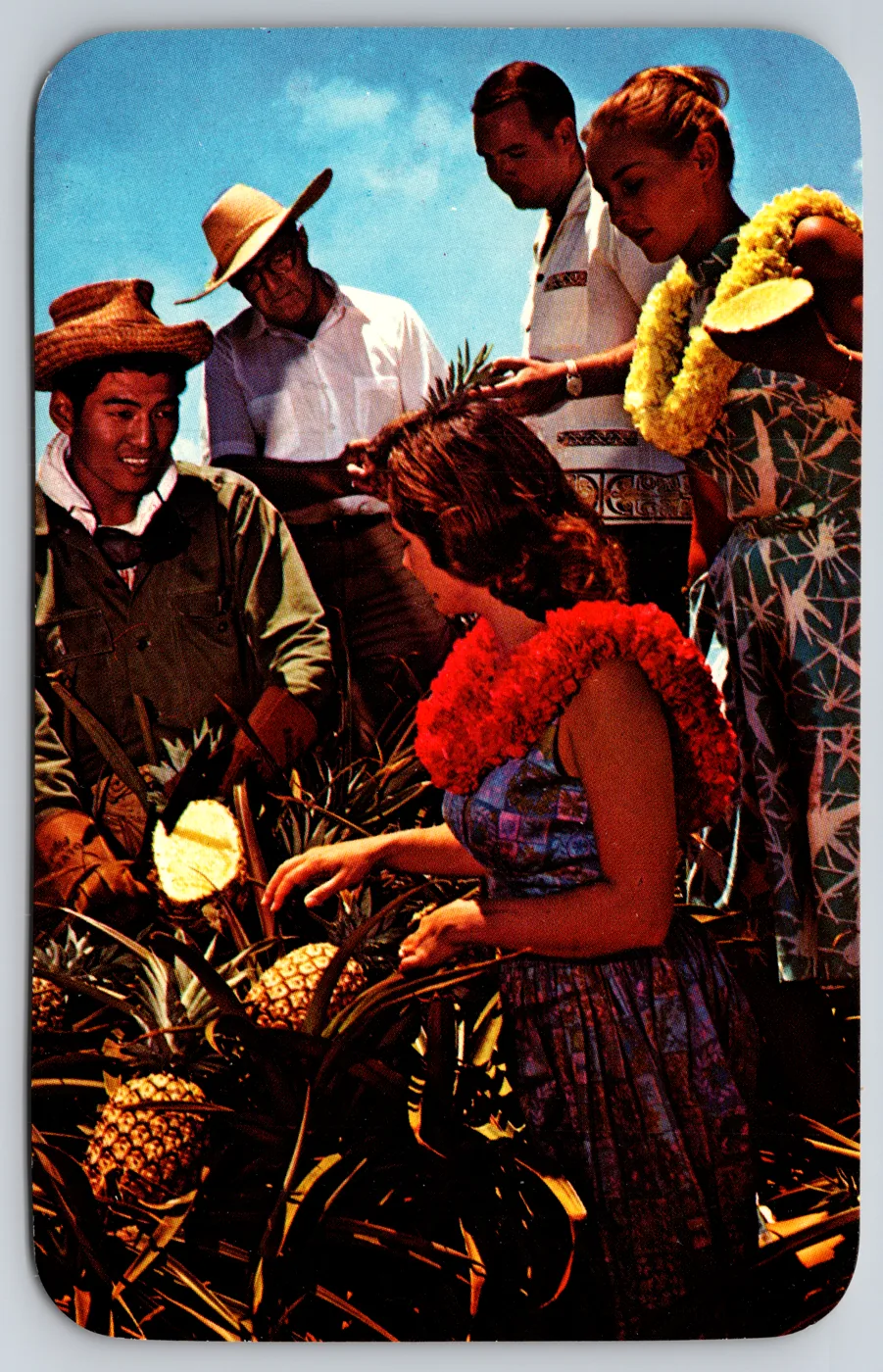
The modern postcard is a photograph in print: glossy, sharp, full color from a color transparency. Union Oil’s western-scenes cards of 1939 are usually credited as the start, and after the Second World War the photochrome — “chrome” to collectors — swept everything else aside.
Size splits this era usefully in two. The standard card (3.5 × 5.5 inches) dominated until about 1970, when the larger continental size (4 × 6 inches) became the norm. A glossy chrome in continental size is almost certainly post-1970; a standard-size chrome likely sits between the late 1940s and about 1970.
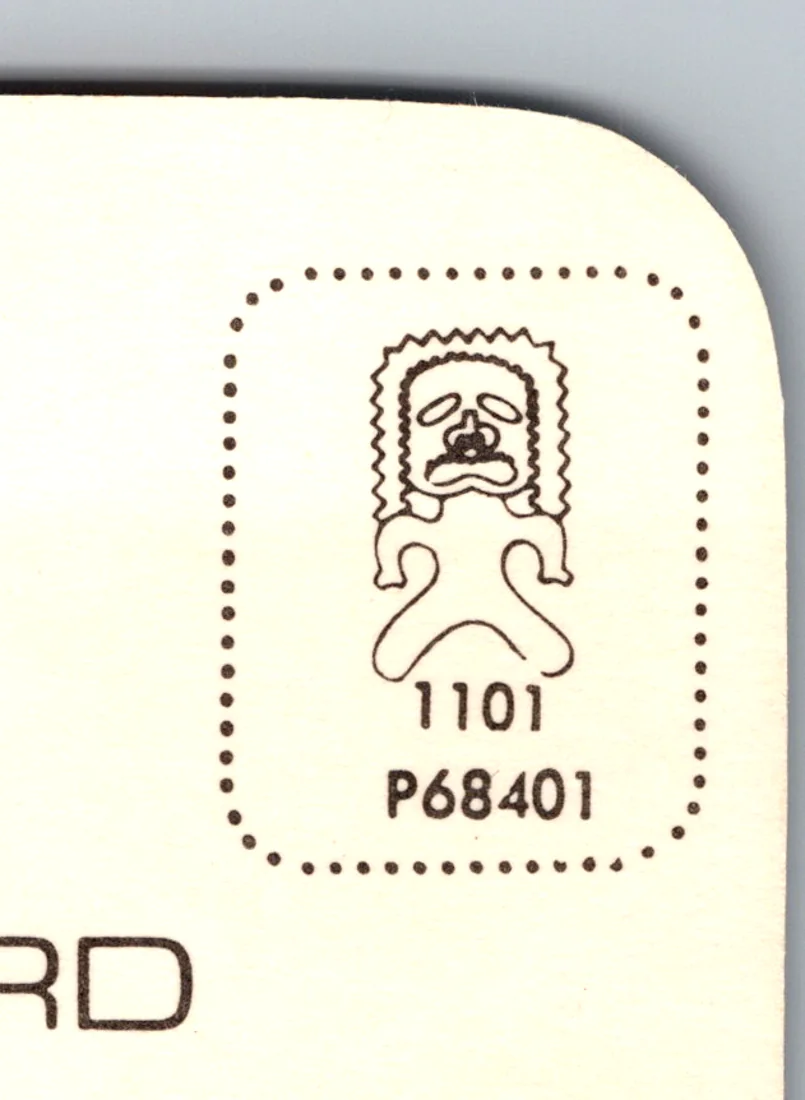
Curt Teich’s chrome line was Curteichcolor, marked with a K in the production number — 9BK129 is 1949, the company’s first Curteichcolor year. As ever, the decoder turns a Teich number into a year, and a postmark beats every visual clue.