Era guide · 1915–1930
White Border era
When the war cut off German printing, American presses took over — and the look of the postcard changed. The signature of the era is the white frame left around the image, which saved ink across enormous print runs. Print quality is often visibly coarser than the golden-age German work it replaced: flatter color, simpler screens.
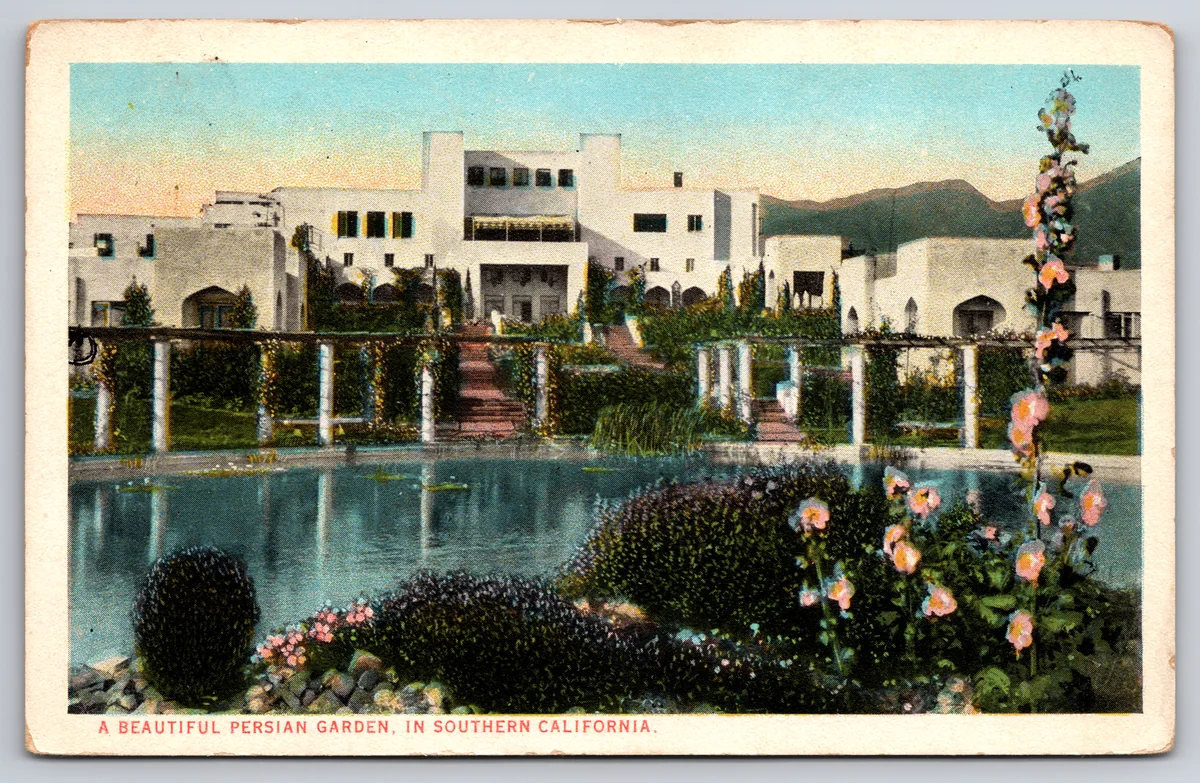
The white border is a strong but not absolute signal: borders appear occasionally in other eras, so read it together with the back layout (divided), the stock, and the printing. The era gives way around 1930 to a new textured card stock — if your bordered card also has a woven, fabric-like surface, it belongs to the linen era instead.
Postmarks, as always, outrank appearance: a legible cancel gives you a hard latest-possible date and often the exact day.